
How NRCS Funding Supports Better Wildlife Habitat and Working-Land Stewardship
NRCS programs help landowners turn ecological goals into real on-the-ground improvements. This Field Notes essay explores how EQIP and CSP support healthier forests, better wildlife habitat, and more resilient working lands—plus honest caveats about how the system works in practice.
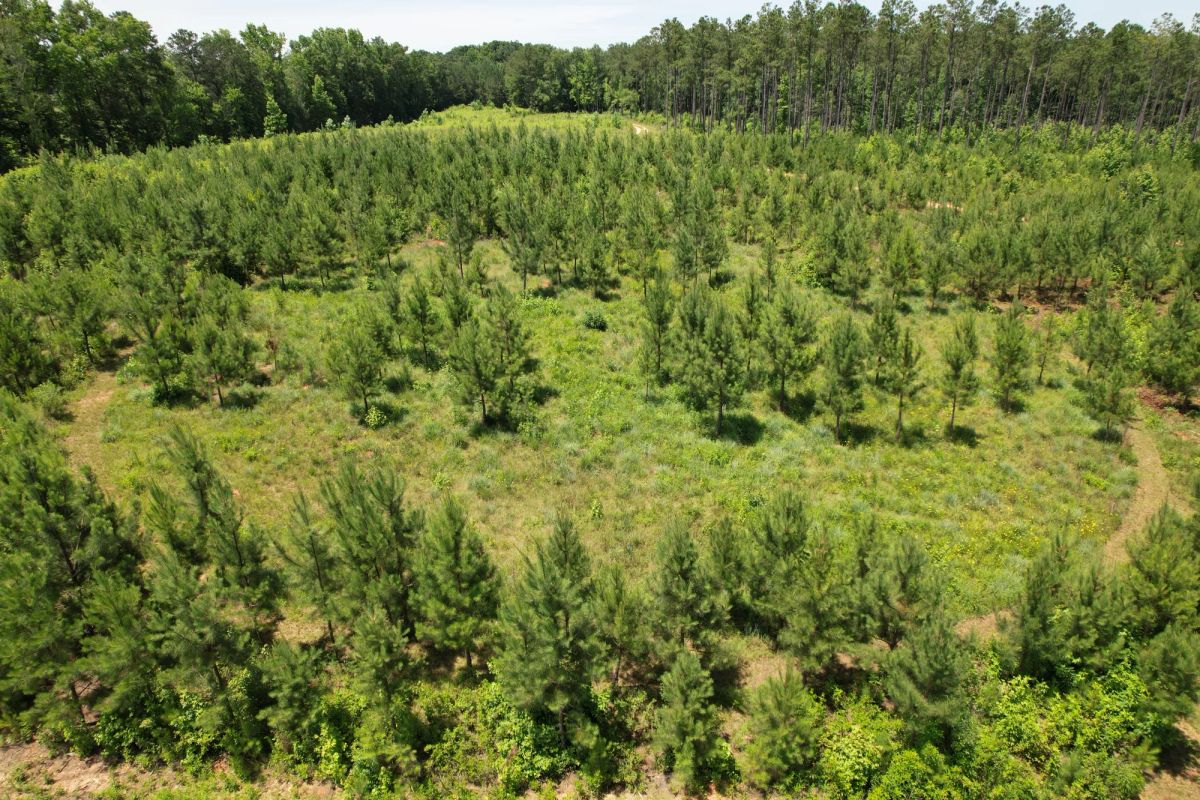
Healthy working lands rarely take care of themselves. Forests need sunlight and disturbance to stay diverse. Pastures need rest, structure, and thoughtful grazing. Even cropland needs better soils and water management than it did a generation ago. Most landowners understand this intuitively. What usually stands in the way isn’t the goal—it’s the budget.
This is the gap that NRCS programs were designed to fill. They help landowners carry out management practices that restore ecological function while keeping working lands profitable. For many people, these programs make the difference between wanting to improve the land and actually doing the work.
Although NRCS funding has become almost synonymous with stewardship in rural America, it wasn’t always that way. The agency’s approach evolved from a response to national crises—the Dust Bowl, soil erosion, declining water quality—and gradually shifted toward a more holistic understanding of landscapes. Today, most cost-share practices sit at the intersection of soil science, hydrology, forestry, wildlife biology, and long-term working-land viability. They remain deeply practical, but they are also rooted in ecological principles that have stood the test of time.
The Environmental Quality Incentives Program (EQIP) is the entry point for most landowners. EQIP supports the work you can see and feel on the ground: understory management, invasive species removal, prescribed fire, native plantings, wetland restoration, and a long list of forestry and grazing improvements. The program’s strength lies in its simplicity. If a practice improves soil, water, or habitat—and you can document measurable gains—NRCS will likely help cover the cost. In many cases, the cost-share rate is high enough to make historically “unaffordable” work suddenly realistic.
CSP, the Conservation Stewardship Program, plays a different role. Where EQIP helps landowners start, CSP helps them advance. It rewards landowners who maintain rotation, disturbance regimes, wildlife corridors, pollinator habitat, or other enhancements that move a property toward long-term resilience. If EQIP is the on-ramp, CSP is the steady trajectory that keeps good management going.
Together, these programs have reshaped private conservation more than almost any other federal tool. They bring foresters, biologists, and soil conservationists together on the same property. They funnel resources into practices that benefit both landowners and wildlife. And they help stabilize rural economies by turning ecological work into predictable investment.
Of course, the programs are not perfect. Landowners often find the paperwork confusing, the eligibility categories unclear, or the ranking process opaque. Practices sometimes lag behind regional research, especially when ecological timing doesn’t match federal contracting calendars. Some states have long backlogs; some field offices are short-staffed; some planners are excellent and others are learning on the job. These issues don’t negate the value of NRCS programs, but they do shape how landowners experience them.
The good news is that these challenges are navigable. When landowners work with someone who understands the system—and who understands the land itself—the process becomes far less intimidating. A good representative or consultant can translate goals into practice codes, carry the administrative burden, attend site visits, coordinate contractors, and ensure the practice specifications actually produce the ecological outcomes the landowner cares about.
In that sense, NRCS programs are not just cost-share tools. They are a bridge between federal conservation goals and the lived reality of landowners managing timber, pasture, and agricultural ground. They turn ecological work into shared responsibility. When done correctly, they create healthier forests, better hunting, stronger water quality, and working lands that continue to thrive for the next generation.
For many landowners, NRCS funding isn’t simply a subsidy—it’s the catalyst that unlocks the land’s full potential.